Imagine a classroom where third graders don't just read about ecosystems in a textbook — they visit a local creek, test the water quality, record their findings, write research reports, create informational posters, and present their conclusions to the city council.
That's not a field trip. That's a Tuesday in an expeditionary learning classroom.
Expeditionary learning — also known as EL Education — is an approach to teaching that replaces passive instruction with real-world experience, hands-on investigation, and community connection. Rooted in the principles of Outward Bound, it was formalized as a school model in the early 1990s and has since been adopted by hundreds of schools across the country.
If you've come across the term while researching schools for your child — or if you've heard it mentioned and weren't quite sure what it meant — this guide is for you. We'll break down what expeditionary learning is, how it works in practice, what the research says, and how it compares to other educational models.
What Is Expeditionary Learning?
Expeditionary learning is an educational approach built on a simple idea: children learn best when they're actively engaged with the real world. Instead of memorizing facts for a test, students go on extended investigations — called "learning expeditions" — that connect classroom subjects to real places, real problems, and real audiences.
The model was developed by EL Education (originally Expeditionary Learning Outward Bound) and is grounded in 10 Design Principles that emphasize the primacy of self-discovery, the having of wonderful ideas, the responsibility for learning, empathy and caring, collaboration and competition, diversity and inclusion, the natural world, solitude and reflection, and service and compassion.
In practical terms, what makes expeditionary learning different from a traditional classroom is this: students don't sit at desks absorbing information delivered by a teacher. They ask questions, investigate answers, work in teams, revise their work until it meets a high standard, and share what they've learned with audiences beyond the classroom — parents, community members, local organizations, or public officials.
The EL Education curriculum is used in schools nationwide and has been studied extensively. It's not an alternative or experimental approach. It's a structured, standards-aligned model with a track record of strong academic outcomes.
The 5 Core Practices of Expeditionary Learning
Expeditionary learning isn't a loose philosophy — it's built on five specific practices that shape how every classroom operates.
1. Learning Expeditions
This is the heart of the model. A learning expedition is a long-term, in-depth investigation of a real-world topic that weaves together multiple subjects. Unlike a single project, an expedition unfolds over weeks or even months, with each phase building on the last.
For example, an expedition about "Our Community's Food" might include:
- Science: studying plant biology and soil composition
- Math: measuring garden plots, calculating growth rates, graphing harvest data
- English Language Arts: interviewing local farmers, writing persuasive essays about food access, reading literature about agriculture
- Art: designing seed packets or creating a mural for a community garden
- Service: donating a portion of the harvest to a local food bank
Every subject is connected to the same central question. Students don't learn science in one period and writing in another — they learn both through the same meaningful work.
2. Active Pedagogy
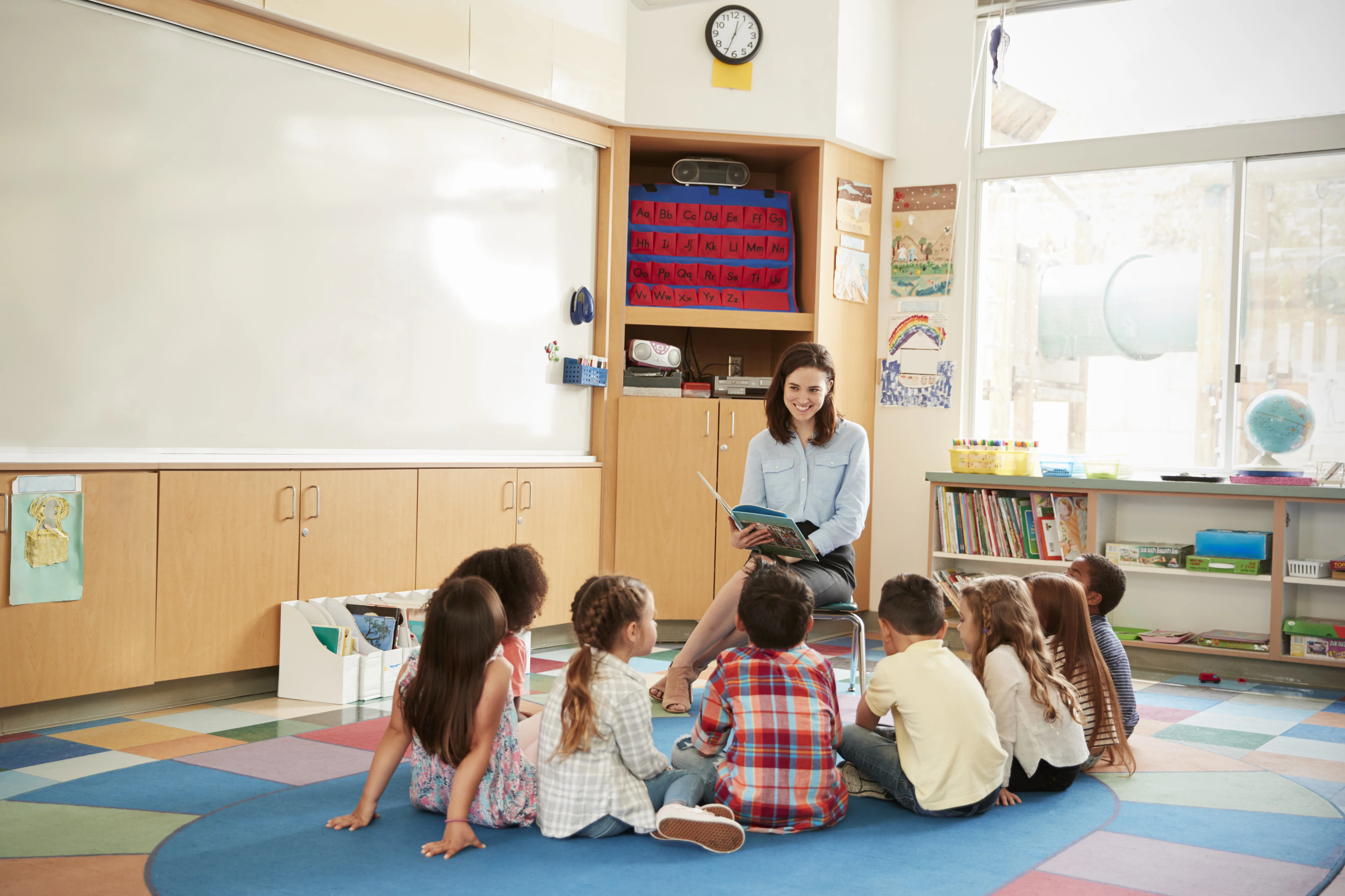
In an expeditionary learning classroom, students are doers. They conduct experiments, visit field sites, interview experts, build models, and test hypotheses. The teacher acts as a guide and coach, not a lecturer.
This isn't unstructured free play. Active pedagogy is carefully planned to meet specific learning standards. But instead of reading about a concept in a textbook and answering questions, students encounter the concept through direct experience — and the learning sticks because it's tied to something real.
Think of it as the difference between reading about how bridges work and actually building one that needs to hold weight.
3. Culture and Character
Expeditionary learning places as much emphasis on who students become as on what they know. Every EL classroom is built around habits of scholarship: respect, responsibility, courage, craftsmanship, and perseverance.
Daily community meetings — called "crew" — bring students together to set goals, reflect on their work, and support one another. Students learn to give and receive constructive feedback. They practice taking intellectual risks, admitting mistakes, and trying again.
This isn't character education as an add-on. It's woven into everything — the way students critique each other's writing, the way they prepare for a public presentation, the way they resolve disagreements during group work.
4. High-Quality Student Work
One of the most distinctive features of expeditionary learning is the expectation that student work should be beautiful, accurate, and meaningful. Students don't produce work that gets graded and returned. They produce work that will be seen by real audiences — parents, community members, experts in the field.
This standard drives a culture of revision. Students create multiple drafts, receive feedback, and refine their work until it meets a high bar. A first grader's field guide to local birds isn't a worksheet — it's a carefully illustrated booklet with accurate descriptions that gets displayed at the local library.
Portfolios and public presentations often replace traditional testing. The question isn't "Did you get the right answer on the test?" It's "Is your work good enough to share with the world?"
5. Community and Service
Learning doesn't stop at the classroom door. Expeditionary learning connects students to the world beyond school through fieldwork, expert partnerships, and service projects.
Students see themselves as contributors to their community, not just consumers of information. A second-grade expedition on water quality doesn't end with a report for the teacher — it ends with a presentation to the local water district. A fifth-grade study of immigration history doesn't just produce essays — it produces an oral history archive created in partnership with a local cultural organization.
This gives students something traditional education often struggles to provide: a reason to care. When your work matters to someone beyond your teacher, the motivation is intrinsic.
Benefits of Expeditionary Learning for Children
Expeditionary learning sounds compelling in theory. But what does the research say?
Academic Benefits
A landmark study by the Center for Research on Education Outcomes (CREDO) at Stanford University found that students in EL Education schools significantly outperformed their peers in both reading and math. The results were especially strong for students from low-income families, English language learners, and students of color.
Other research has shown that EL students develop:
- Deeper comprehension through application rather than memorization
- Stronger writing skills from the revision-based approach
- Better critical thinking and analytical skills
- Higher performance on state standardized tests
These outcomes make sense. When students learn by doing — and when they produce work for real audiences — the learning is deeper and more durable than what comes from lectures and worksheets.
Social-Emotional Benefits
The emphasis on crew, character, and collaboration produces measurable social-emotional gains:
- Greater confidence from public presentations, fieldwork, and producing work for real audiences
- Stronger teamwork and collaboration skills developed through group expeditions
- Growth mindset built naturally through the revision process — "not perfect yet" becomes the norm, not a failure
- A deeper sense of belonging from daily crew meetings and a tight school community
Parents often report that their children become more confident speakers, more willing to take academic risks, and more engaged with school overall after entering an EL environment.
Real-World Preparedness
Perhaps the most valuable long-term benefit is that expeditionary learning develops the skills that matter most beyond school:
- Asking good questions and knowing how to find answers
- Communicating clearly in writing, speaking, and presenting
- Working effectively with others, including people who think differently
- Solving complex, open-ended problems without a single right answer
- Taking initiative and managing your own learning
These aren't skills you can memorize for a test. They're habits of mind that develop through years of practice — and expeditionary learning is designed to build them from kindergarten onward.
Expeditionary Learning vs. Other Educational Models
If you're comparing school options, it helps to understand how expeditionary learning differs from other approaches you might encounter.
Expeditionary Learning vs. Project-Based Learning
These two models share a lot of DNA — both are hands-on, both center around student projects, and both connect learning to the real world. The key differences:
- Scope: Project-based learning (PBL) typically focuses on a single project. Expeditionary learning organizes multiple interconnected projects into a larger "expedition" tied to curriculum standards across subjects.
- Character: EL explicitly includes character development, crew meetings, and habits of scholarship. PBL generally does not.
- Community: EL emphasizes service and real-world audiences for student work. PBL may or may not include these elements.
In short, expeditionary learning is a more holistic model. PBL is a teaching strategy. EL is a whole-school framework.
Expeditionary Learning vs. Traditional Education
- Traditional: Teacher-led instruction, textbook-based curriculum, individual testing, grades as primary feedback
- Expeditionary Learning: Student-driven investigation, real-world curriculum, portfolio-based assessment, revision and peer feedback
A common concern is that EL students won't be prepared for standardized tests. The CREDO study and other research directly counter this — EL students meet and often exceed state standards while also developing skills that traditional testing doesn't measure.
Expeditionary Learning vs. Montessori
Both Montessori and EL value hands-on learning and student agency, but the approaches differ:
- Montessori: Self-directed, individual pacing, mixed-age classrooms, specialized learning materials
- EL: Collaborative, expedition-based, community-focused, real-world connections
Montessori tends to emphasize individual exploration. EL tends to emphasize group investigation and community contribution. Both produce strong outcomes. The best fit depends on your child's temperament and your family's values.
What Does Expeditionary Learning Look Like in Practice?
Theory is useful, but seeing it in action makes it real. Here's what a typical day might look like in an expeditionary learning classroom.
A Day in an EL Classroom
- Morning Crew Meeting: Students gather in a circle for a community meeting. They greet each other, share reflections, review daily goals, and set intentions. This builds belonging and accountability.
- Reading and Writing Workshop: Connected to the current expedition theme. If the expedition is about local ecosystems, students might read nonfiction texts about wetlands and draft observational field notes.
- Math: Applied to the expedition. Students might measure rainfall data from their field site, graph changes over time, or calculate the area of a garden plot.
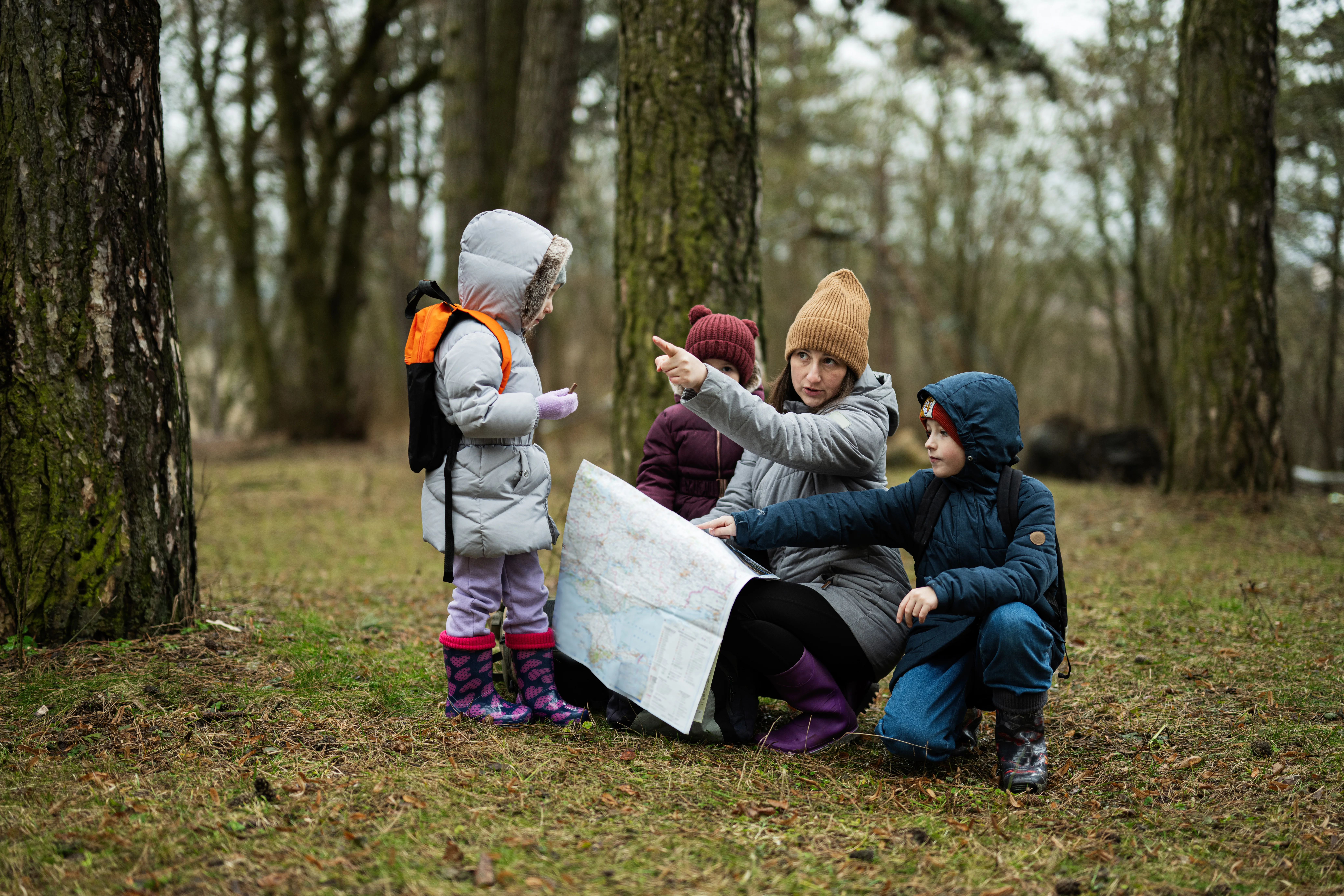
- Fieldwork or Expert Visit: Students might visit a local farm, meet a biologist, or conduct experiments on their school grounds. Every outing has academic purpose and is connected to learning standards.
- Reflection and Goal-Setting: The day ends with students reflecting on what they learned, what challenges they faced, and what they'll work on tomorrow.
A Real Expedition Example
Consider a third-grade expedition called "Our Community's Water":
- Science: Students study the water cycle, visit a local watershed, and test water quality at multiple sites
- Math: They measure rainfall, calculate averages, and create graphs comparing water quality data across locations
- English Language Arts: They interview community members about water use, write research reports, and draft persuasive letters about water conservation
- Art: They design informational posters and a public display
- Service: They present their findings and recommendations to a local city council or water district
Every subject is connected. Every piece of student work has a purpose beyond a grade. And the students walk away understanding water science not because they read about it in a chapter — but because they did the work of real scientists.
Adding the Bilingual Layer
At Spanish Horizons Academy, students do all of this in two languages. Our 80/20 immersion model means 80% of instruction happens in Spanish and 20% in English. The expedition about water? The field notes are written in Spanish. The data is analyzed in Spanish. The presentation to the community is delivered bilingually.
This isn't just language instruction added on top of academics. The bilingual element deepens every aspect of the learning — students develop stronger cognitive flexibility, richer vocabulary, and the ability to communicate complex ideas in two languages. It's expeditionary learning with a global perspective.
Is Expeditionary Learning Right for Your Child?
Expeditionary learning works well for a wide range of learners, but it's especially powerful for children who:
- Are naturally curious and ask lots of questions
- Learn better by doing than by sitting and listening
- Enjoy working with others and collaborating on projects
- Have interests they want to explore in depth
- Struggle with traditional test-based assessment but demonstrate understanding in other ways
- Thrive with structure and community but need more engagement than traditional classrooms provide
- Are bilingual or language learners (the EL approach pairs naturally with immersion education)
It's also worth considering if your child:
- Gets bored easily in conventional settings
- Needs more hands-on, physical engagement during the school day
- Is motivated by meaningful work rather than grades and rewards
- Benefits from a strong sense of school community and belonging
If any of these descriptions sound like your child, an expeditionary learning environment is worth exploring.
See Expeditionary Learning in Action
Expeditionary learning isn't a trend or an experiment. It's a proven, research-backed approach to education that develops the whole child — academically, socially, and emotionally. It produces students who can think critically, communicate clearly, work collaboratively, and engage with the world around them with confidence and purpose.
And when you combine it with Spanish immersion, something even more powerful happens. Students don't just learn about the world — they learn to navigate it in two languages, with the cognitive flexibility and cultural awareness that bilingualism brings.
Spanish Horizons Academy is the only school in Hillsboro, Oregon that combines expeditionary learning with a full Spanish immersion program. As part of the Casita Azul family of schools, we offer a seamless pathway from preschool through fifth grade — small class sizes, hands-on learning, and a deep commitment to bilingual education.
If you want to see what expeditionary learning looks like when it's lived every day — in two languages, with real projects, real fieldwork, and real community connections — we'd love to show you.
Schedule a tour at Spanish Horizons Academy and experience it for yourself.